


In the modern business landscape, where agility, innovation, and precision are crucial, a Project Management Office (PMO) serves as the backbone of an organization’s project success. A PMO doesn’t just oversee projects; it aligns them with strategic goals, enforces standards, and maximizes resource utilization. According to the Project Management Institute (PMI), organizations with a well-structured PMO report a 27% improvement in project performance and significantly reduced project failures. However, building an effective PMO requires a strategic approach grounded in organizational needs, best practices, and an adaptable framework. This article explores the key steps to creating a high-impact PMO, from defining objectives to establishing KPIs and cultivating an adaptable culture.
1. The Strategic Role of the PMO in Today’s Businesses
In an era marked by rapid market changes and complex project demands, a PMO ensures that projects are executed effectively and aligned with larger organizational strategy. Today’s PMO acts as a strategic partner, enabling the organization to make data-driven decisions, allocate resources efficiently, and respond swiftly to market shifts.
 Cisco’s PMO initially functioned as a project management oversight entity, but it evolved into a strategic hub when they recognized the value of integrating project goals with business objectives. By 2020, Cisco’s PMO had increased project alignment with corporate goals by 40%, allowing them to streamline their project portfolio and allocate resources toward high-impact initiatives.
2. Key Steps in Building an Effective PMO
To maximize the strategic value of a PMO, an organization must follow a systematic approach to design, implement, and continuously improve it.
Step 1: Define the Purpose and Scope of the PMO
Understanding the PMO’s purpose within the organization is crucial. PMOs can be structured around various functions: governance, resource management, portfolio management, or a combination. For example, a governance-focused PMO ensures compliance with project standards, while a resource management PMO allocates staff, equipment, and budgets optimally.
Step 2: Develop Standardized Processes and Frameworks
Consistency is a hallmark of a successful PMO. By establishing standardized processes, a PMO can enforce best practices, reduce redundancies, and ensure each project adheres to the same quality standards. Organizations with standardized project management practices report 30% fewer delays and improved project satisfaction, according to PMI.
 Practical Tip: Use frameworks like PRINCE2 or PMI’s PMBOK Guide to create structured approaches that can be customized to fit organizational needs.
Step 3: Invest in the Right Technology and Tools
Modern PMOs rely on project management software (e.g., Asana, Trello, Microsoft Project) and analytics platforms to manage complex projects. These tools offer real-time tracking, enhance collaboration, and support decision-making. AI and machine learning capabilities can anticipate resource bottlenecks or identify project risk factors early, reducing the likelihood of project derailment.
 McKinsey & Company reports that digital project management tools improve productivity by up to 25% and offer leaders essential visibility for strategic resource allocation.
Step 4: Establish Key Performance Indicators (KPIs) and Metrics
A high-performing PMO is driven by metrics that evaluate project success, inform decisions, and encourage continuous improvement. Here are some essential PMO metrics:
- Project Success Rate: Measures the percentage of projects completed on time, within scope, and on budget. A high success rate reflects the PMO’s effectiveness in maintaining project standards.
- Resource Utilization Rate: Tracks how efficiently resources are allocated across projects. Optimal utilization (typically between 75-85%) avoids overloading teams while maximizing productivity.
- Time-to-Market: Indicates the speed with which projects move from concept to launch. This metric is particularly valuable for PMOs overseeing product development, where rapid execution can confer a competitive edge.
- Budget Variance: Compares actual spending to the project budget. Lower variance indicates effective budget control and forecasting, while significant discrepancies suggest areas for improvement.
- Stakeholder Satisfaction: Measured through surveys, stakeholder satisfaction is an essential metric for assessing the PMO’s alignment with expectations and the strategic impact of project outcomes.
3. Cultivating a Culture of Agility and Adaptability in the PMO
An effective PMO must adapt alongside organizational goals and market changes. Embedding an agile mindset within the PMO enables the organization to adapt processes, reprioritize projects, and respond to new opportunities without compromising efficiency.
Embrace an Agile Approach
An agile PMO can pivot quickly in response to change, keeping project portfolios aligned with strategic priorities. Spotify’s agile PMO, for example, enabled it to scale and diversify its product offerings across markets by supporting fast, iterative project cycles, maintaining responsiveness to user demand.
Promote Cross-Functional Collaboration
PMOs thrive when they facilitate cross-functional collaboration. A collaborative PMO connects project teams with other departments, enabling knowledge-sharing and ensuring project goals align with department-specific objectives.
Encourage a Continuous Improvement Mindset
Feedback loops and regular assessment of project outcomes allow a PMO to make iterative improvements. A mindset of continuous improvement is essential for maintaining efficiency, particularly in dynamic project environments.
4. Measuring the Impact of a PMO on Business Outcomes
Demonstrating value requires that PMOs quantify their impact on business objectives. Metrics cover both operational outcomes (e.g., on-time delivery, budget adherence) and strategic outcomes (e.g., alignment with corporate goals, project ROI).
Key Metrics to Track
- Project Completion Rate: A reflection of the PMO’s ability to drive projects to successful conclusions within predefined timelines.
- Cost Performance Index (CPI): A financial metric that compares actual project costs to planned budgets, helping PMOs maintain budget control.
- Return on Investment (ROI) of Projects: Tracks the financial returns from completed projects, linking PMO effectiveness directly to organizational profitability.
- Portfolio Alignment with Strategic Goals: Measures the percentage of projects aligned with high-level objectives, ensuring resources are focused on impactful initiatives.
5. Overcoming Common Challenges in PMO Implementation
Building and maintaining an effective PMO can be challenging. Here are common obstacles and strategies for addressing them:
Resistance to Change
To overcome resistance, emphasize the PMO’s supportive role. Offer training sessions to demystify PMO operations, highlighting how structured processes improve project outcomes and support teams.
Ensuring Executive Buy-In
The PMO’s success hinges on leadership support. Demonstrating how the PMO aligns with strategic goals and contributes measurable results can secure executive investment in its longevity and resources.
Data Integration and Quality Issues
High-quality data is essential for accurate insights. Investing in reliable project management tools, establishing data governance protocols, and promoting data accuracy enhances the PMO’s decision-making capabilities.
6. Case Studies of Effective PMOs in Action
Case Study 1: IBM’s Global PMO Transformation
 IBM established a global PMO to manage its vast portfolio, involving thousands of projects worldwide. By standardizing processes and using advanced analytics, IBM’s PMO reduced project delays by 20% and achieved a 30% improvement in resource utilization. This case underscores the benefits of structured governance combined with data-driven insights.
Case Study 2: Microsoft’s Agile PMO
 When Microsoft adopted agile methodology, it restructured its PMO to support flexibility in project management. Microsoft’s agile PMO empowered teams to iterate quickly, enhancing product cycles and responding to customer needs. The agile PMO model has since served as a blueprint for other companies undergoing similar transitions.
Why to build a High-Impact PMO
An effective PMO is a strategic asset that aligns project execution with organizational goals, enhances efficiency, and fosters adaptability. By defining objectives, standardizing processes, investing in the right tools, and promoting an agile culture, organizations can create a PMO that delivers successful projects and long-term value.
In an environment of increasing project complexity, a well-performing PMO ensures that organizations remain competitive, responsive, and aligned with their strategic vision. For companies navigating today’s intricate project environments, investing in a robust, adaptable PMO is essential for sustainable success.
About Strategy Studio
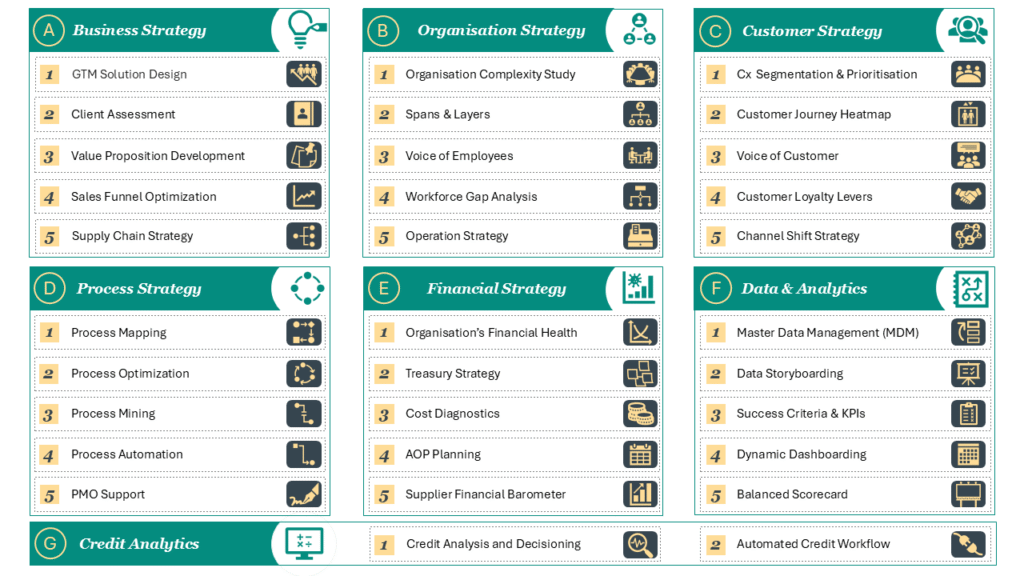
At Strategy Studio, we help CXOs to solve complex business problems – from growth strategy and customer experience to financial transformation, process optimisation, and credit analytics. Our work blends rigorous analysis, practical execution, and deep functional expertise. To exlpore, schedule a free 30 minutes exploratory discussion HERE.

How to Assess Your Organization’s Financial Health for Strategic Growth
Why financial health has become a strategic constraint, not a reporting exercise Most organizations believe they understand their financial health

Cost Diagnostics: Identifying and Reducing Hidden Costs
Cost has returned to the centre of boardroom conversations, but not for the reasons many leaders assume. This is

Designing the Liquid Enterprise – Creating Organizations That Can Reconfigure Themselves in Real Time
For years, executives have described their organizations as “agile,” “adaptive,” or “responsive.” Yet in moments of disruption, many discover