

Decision Systems
Designing How Critical Decisions Are Made
Strategy Studio does not offer services in isolation
We design decision systems – the explicit logic, governance, and instrumentation that determine how organisations make critical trade-offs at scale. Each decision system is built using Decision Engines™ and grounded in explainability, so decisions remain auditable, trusted, and repeatable as complexity increases
Below are the decision arenas where we embed
Growth Decisions
Growth is not a strategy problem. It is a sequence of interdependent decisions made under uncertainty
We help organisations design and govern growth decisions – clarifying where to play, how to win, and which trade-offs are acceptable as scale increases
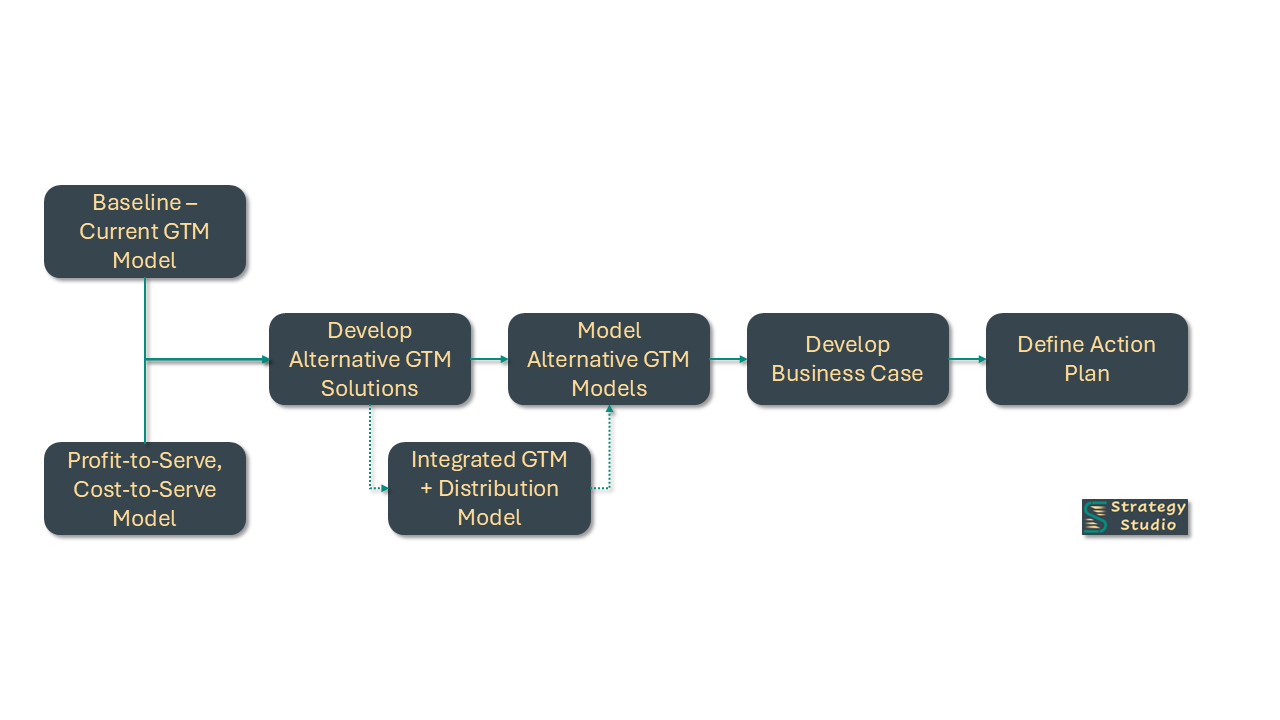
- Define explicit market entry, exit, and expansion thresholds
- Design segmentation and prioritisation rules that guide resource allocation
- Translate growth strategy into executable, repeatable go-to-market decisions
- Determine which customer segments warrant disproportionate focus
- Define reprioritisation and deprioritisation rules as conditions change
- Align sales and service effort with customer value, risk, and lifetime economics
- Identify which customer touchpoints are strategically non-negotiable
- Make explicit trade-offs between experience, cost-to-serve, and speed
- Distinguish actionable customer signals from noise
- Define conversion thresholds and escalation points across the funnel
- Identify structural bottlenecks limiting growth
- Instrument decisions to improve predictability, yield, and accountability
- Balance resilience, cost, and responsiveness trade-offs
- Define supplier concentration and dependency thresholds
- Govern supply-side decisions under demand volatility
Operating Model Decision
Most organisations fail not because they lack talent – but because decisions fall between roles
We design operating model decision architecture that clarifies accountability, authority, and escalation across the organisation
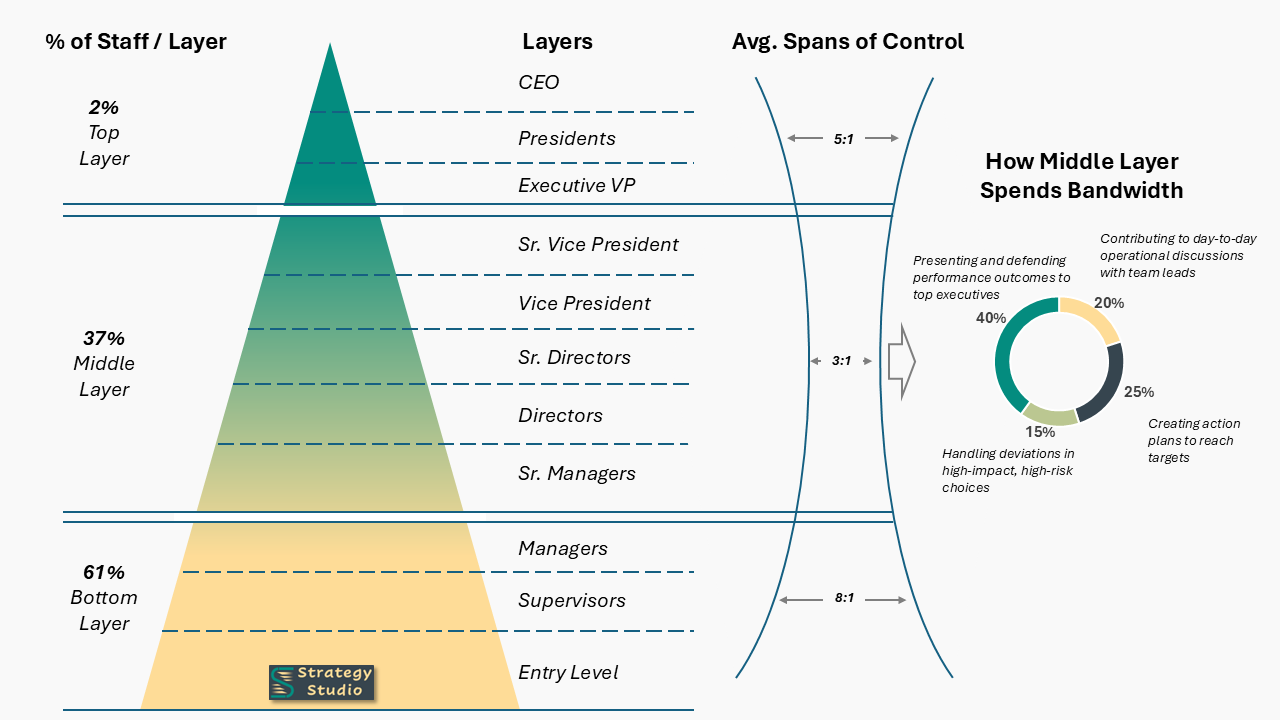
- Identify structural friction and decision overlaps
- Simplify reporting and accountability pathways
- Improve speed and clarity of execution
- Define optimal span thresholds for effective control
- Redesign reporting layers to improve decision velocity
- Balance managerial load with decision quality
- Convert employee feedback into actionable decision inputs
- Identify systemic issues affecting execution quality
- Align organisational decisions with lived realities
- Identify skill and capability constraints
- Design workforce investment and prioritisation logic
- Align talent decisions with strategic direction
- Clarify who owns which decisions at each organisational layer
- Define escalation triggers when decisions stall or conflict
- Prevent decision paralysis caused by ambiguity or consensus traps
Decision Rights & Control Systems
Who decides, who escalates, and who is accountable
As organisations scale, failures rarely come from lack of intent — they come from weakly governed decisions. We help leadership teams design decision rights and control systems that ensure strategy, risk, and execution remain aligned across functions, geographies, and time horizons
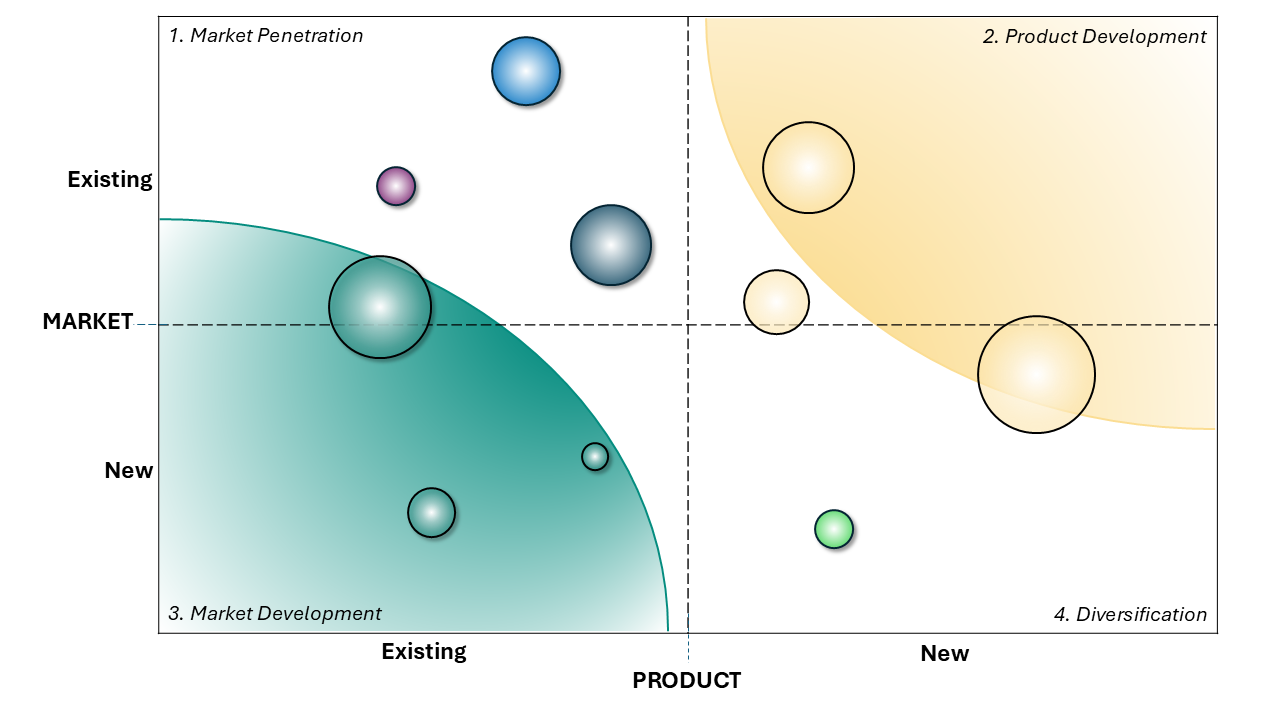
- Define clear decision ownership and authority models
- Eliminate ambiguity across functions and layers
- Improve speed without sacrificing control
- Design risk thresholds and escalation logic
- Align control mechanisms with real decision flows
- Reduce reliance on manual, retrospective controls
- Link decisions to accountable outcomes
- Design review cadences and governance forums
- Ensure decisions are revisited as conditions change
- Convert policies into executable decision rules
- Embed governance into operating workflows
- Reduce gap between stated intent and actual behaviour
- Design systems that are audit-friendly by default
- Improve explainability of decisions and controls
- Reduce friction between business and assurance functions
Process & Execution Decisions
Process optimisation without decision clarity only accelerates noise
We help organisations design execution decision systems – determining which processes matter, where control is required, and how exceptions should be handled
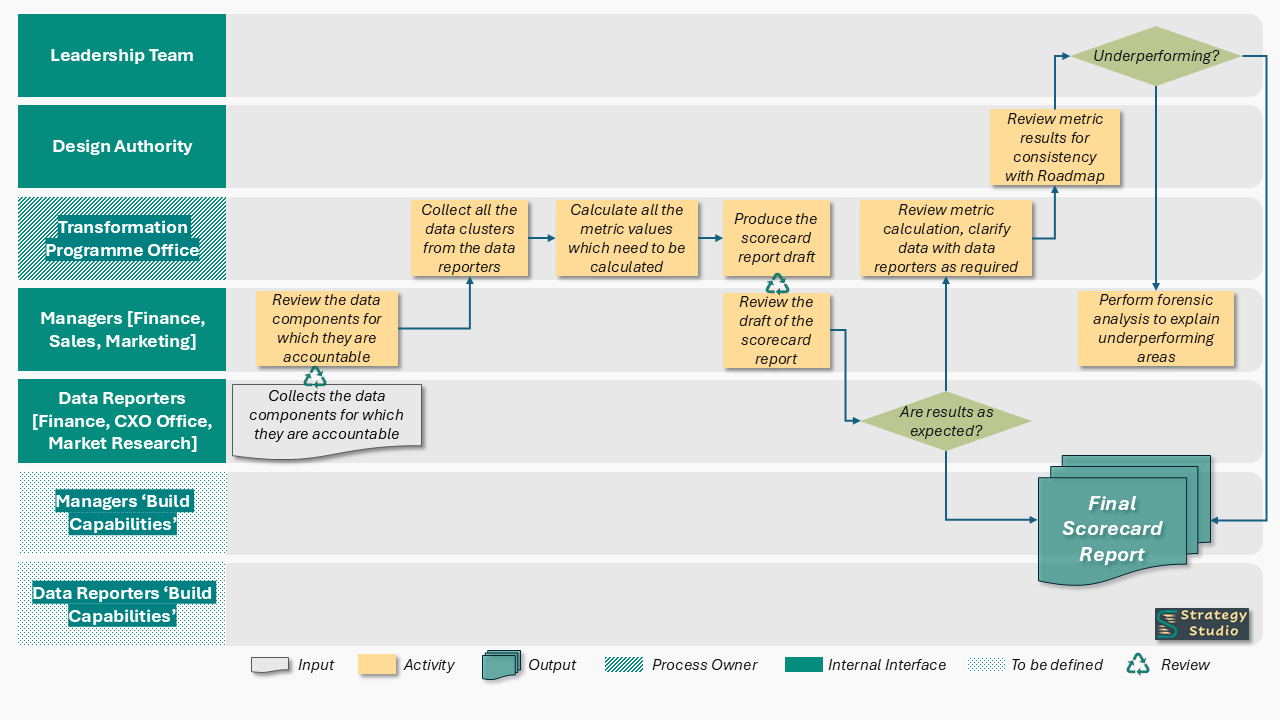
- Visualise workflows to identify decision handoffs
- Clarify ownership and control points
- Improve transparency and accountability
- Identify processes worth optimising vs ignoring
- Reduce friction and non-value-adding steps
- Improve throughput and consistency
- Analyse data to uncover execution bottlenecks
- Detect recurring exceptions and failure modes
- Inform prioritisation and redesign decisions
- Identify tasks suitable for automation
- Balance efficiency with control and explainability
- Scale execution without loss of oversight
- Design governance structures for execution discipline
- Align initiatives with strategic priorities
- Maintain momentum without project overload
Capital & Risk Decisions
Capital allocation is a decision system – not an annual ritual
We help organisations design explicit, explainable capital and risk decisions that balance growth ambition with financial discipline
- Assess balance sheet strength and exposure
- Identify structural financial risks
- Improve long-term viability and resilience
- Define liquidity thresholds and guardrails
- Design hedging and capital deployment logic
- Align treasury decisions with business strategy
- Identify structural cost inefficiencies
- Design cost governance and escalation rules
- Improve profitability without blunt cost-cutting
- Translate strategy into capital allocation rules
- Design trade-off logic for competing priorities
- Improve predictability and discipline in planninge
- Assess financial strength of critical partners
- Define exposure and concentration thresholds
- Reduce downstream risk from supplier fragility
Credit Decisions
Credit is not a finance control. It is a strategic exposure decision
We help organisations design credit decision systems that govern how exposure is created, monitored, and corrected across customers, suppliers, and ecosystems
- Define credit approval thresholds and escalation logic
- Align credit decisions with commercial actions
- Balance speed, growth, and risk explicitly
- Design exposure limits and concentration thresholds
- Identify early-warning signals before defaults emerge
- Govern portfolio-level risk, not just individual accounts
- Embed behavioural and financial triggers
- Define intervention and remediation pathways
- Shift from reactive collections to proactive control
- Prioritise actions based on exposure and behaviour
- Define settlement and escalation thresholds
- Align recovery decisions with customer lifetime value
- Ensure credit decisions are transparent and auditable
- Reduce friction between sales, finance, and risk
- Build trust with auditors, lenders, and partners
Decision Instrumentation
Data has value only when it sharpens a decision
We design decision instrumentation – signals, thresholds, and governance mechanisms – that ensure analytics serve judgment, not vanity
- Ensure consistency and reliability of decision inputs
- Define ownership and data quality thresholds
- Improve trust in enterprise data
- Translate complex analysis into decision narratives
- Make trade-offs and implications explicit
- Enable leadership alignment
- Define decision-relevant success metrics
- Establish early-warning indicators
- Align performance tracking with strategy
- Design dashboards around decisions, not metrics
- Focus on thresholds, exceptions, and signals
- Reduce noise and improve response time
- Align financial and operational objectives
- Translate strategy into governed decision logic
- Enable consistent execution across functions